Understanding Axonopathy: The Root of Nerve Damage
Understanding Axonopathy: The Root of Nerve Damage
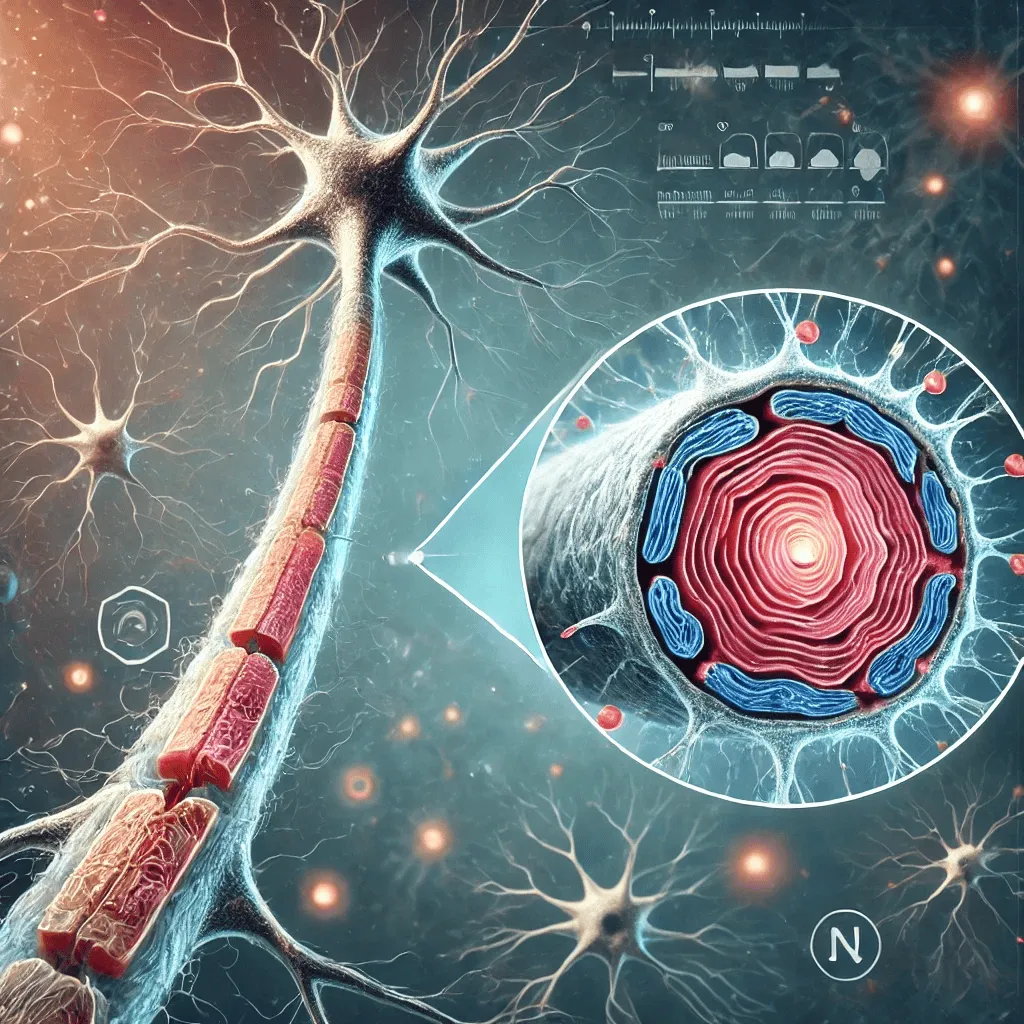
Axonopathy is a form of nerve damage that specifically affects the axons, the long, thread-like parts of nerve cells responsible for transmitting signals throughout the body. Unlike general neuropathy, which can involve various components of the nerve structure, axonopathy targets the communication highways of the nervous system, leading to impaired signal transmission, muscle weakness, and sensory issues.
At Pure Light Chiropractic, we understand how debilitating axonopathy can be, and we are dedicated to providing education and non-invasive treatment options to help manage nerve health effectively.
What is Axonopathy?
Axonopathy refers to the degeneration or dysfunction of axons due to injury, disease, or toxins. The axon is an essential part of a neuron, acting as a bridge that carries electrical signals from the nerve cell body to muscles, organs, and other nerves. When axons are damaged, signals slow down or stop completely, leading to neurological impairments.
There are two primary types of axonopathy:
Acute Axonopathy – Sudden onset caused by trauma or toxins.
Chronic Axonopathy – Progressive nerve damage due to metabolic disorders, autoimmune conditions, or genetic factors.
Causes of Axonopathy
Axonopathy can be caused by several factors, including:
Diabetes – Chronic high blood sugar can damage axons, leading to diabetic neuropathy.
Toxins – Exposure to heavy metals, chemotherapy drugs, and alcohol can lead to axonal degeneration.
Autoimmune Diseases – Conditions like multiple sclerosis (MS) cause the immune system to attack nerve axons.
Genetic Disorders – Some hereditary conditions, such as Charcot-Marie-Tooth disease, result in axonal deterioration.
Physical Trauma – Severe injuries, including spinal cord damage, can disrupt axonal integrity.
Symptoms of Axonopathy
The symptoms of axonopathy depend on the nerves affected but may include:
Numbness or tingling in the hands and feet.
Muscle weakness and loss of coordination.
Burning pain or sharp electric-like sensations.
Reduced reflexes due to impaired nerve signaling.
Loss of fine motor skills, making daily tasks difficult.
Symptoms often start gradually but can worsen over time if the underlying cause is not addressed.
Diagnosis and Testing
Diagnosing axonopathy requires a combination of clinical evaluation, imaging, and laboratory tests:
Electromyography (EMG) – Measures muscle response to nerve stimulation.
Nerve Conduction Studies (NCS) – Evaluates the speed and strength of nerve signal transmission.
MRI or CT Scans – Helps rule out structural nerve damage.
Blood Tests – Identifies underlying conditions like diabetes, autoimmune diseases, or toxin exposure.
Treatment Options for Axonopathy
While axonopathy is often progressive, several treatments can help slow progression and improve nerve function:
1. Low-Level Laser Therapy (LLLT)
Studies show that photobiomodulation using LLLT can stimulate nerve repair by reducing inflammation and promoting cellular regeneration.
2. Chiropractic Care
Spinal adjustments can improve nerve function and relieve pressure on affected nerves.
3. Nutritional Support
A diet rich in Omega-3s, Vitamin B12, and antioxidants can support nerve regeneration.
4. Physical Therapy
Targeted exercises help maintain muscle strength and improve coordination.
5. Medications
Certain prescription medications, such as neuropathic pain relievers, may be recommended for symptom relief.
Preventing Axonopathy
Preventing axonopathy involves reducing exposure to risk factors and maintaining overall nerve health:
Manage chronic conditions like diabetes through diet and exercise.
Limit toxin exposure by avoiding excessive alcohol and heavy metal contact.
Adopt a nerve-healthy diet, including foods rich in B vitamins, Omega-3 fatty acids, and antioxidants.
Engage in regular physical activity to improve circulation and nerve function.
Take Control of Your Nerve Health
Axonopathy can significantly impact daily life, but early intervention and proper management can slow its progression and improve quality of life. At Pure Light Chiropractic, we specialize in natural, non-invasive treatments to support nerve regeneration and overall well-being.
📞 Call Pure Light Chiropractic today to schedule your FREE consultation.
📍 Greenville, SC Office | 🌐 www.purelightchiropractic.net
Take the first step in protecting your nerve health today!