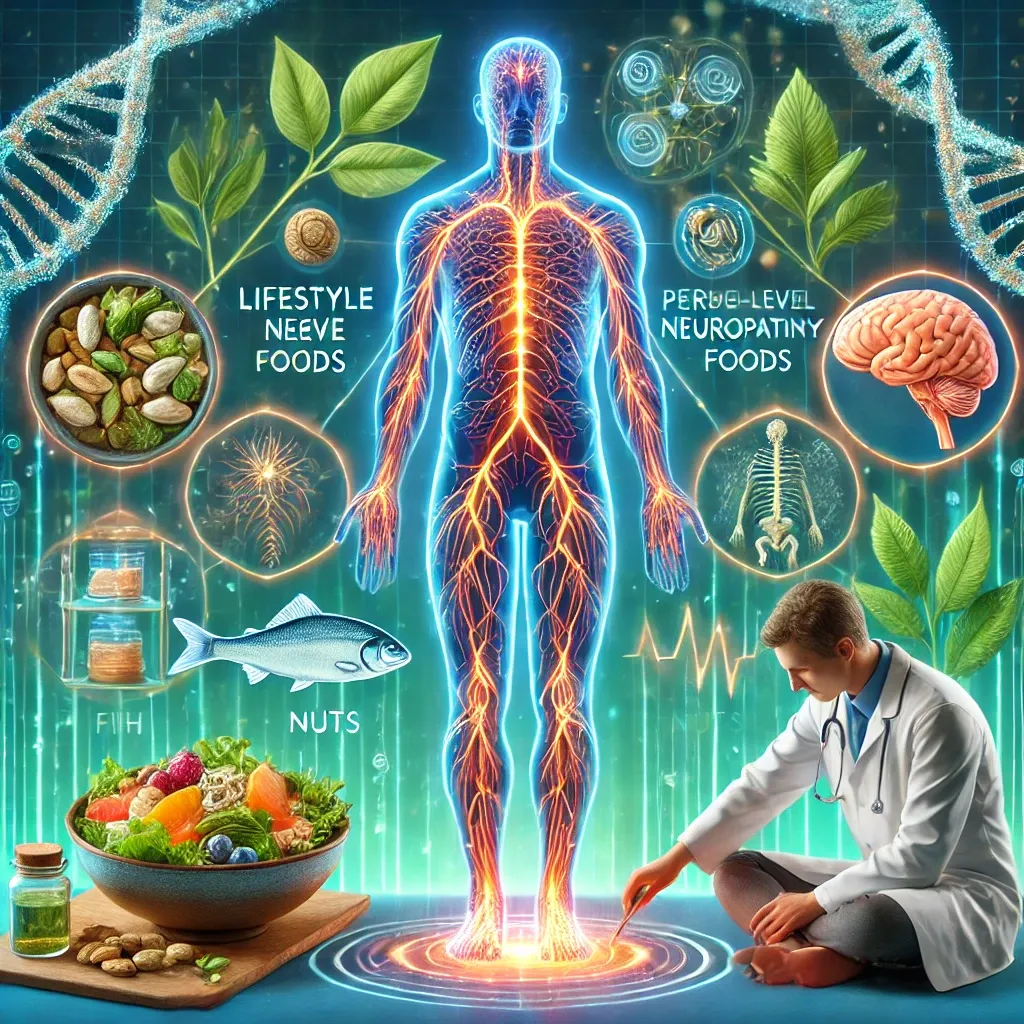
Living with Peripheral Neuropathy: Adapting Your Lifestyle for Better Nerve Health
Living with Peripheral Neuropathy: Adapting Your Lifestyle for Better Nerve Health
Peripheral Neuropathy (PN) can be a life-altering condition, but with the right lifestyle adjustments, you can manage symptoms, improve nerve function, and enhance your quality of life. While medical treatments like Low-Level Laser Therapy (LLLT) and chiropractic care are essential, the daily choices you make play a crucial role in how well you live with PN.
At Pure Light Chiropractic, I’ve helped many patients regain control over their symptoms by making strategic lifestyle changes. This article outlines the best daily habits, self-care strategies, and home modifications to help you live a fuller, healthier life with Peripheral Neuropathy.
1. Daily Movement & Exercise to Support Nerve Function
Staying active is essential for keeping your nerves healthy and preventing further deterioration. Exercise improves circulation, reduces inflammation, and helps strengthen the muscles that support your nervous system.
According to the National Institute of Neurological Disorders and Stroke (NINDS), regular exercise can slow the progression of neuropathy and promote nerve regeneration. The American Diabetes Association (ADA) also recommends physical activity to reduce the risk of diabetic neuropathy, one of the most common causes of PN.
Best Exercises for PN:
Low-Impact Cardio: Walking, swimming, or cycling to boost circulation without putting excess stress on the joints.
Strength Training: Builds muscle support around weak nerves, reducing strain on affected areas.
Balance & Coordination Drills: Helps prevent falls, which are common in PN patients.
Stretching & Yoga: Increases flexibility, enhances nerve pathways, and relieves stiffness.
Even 10-15 minutes of movement a day can help reduce pain and improve function.
"Dr. Joe’s exercise recommendations changed everything for me. Just adding simple balance drills and short walks improved my coordination and confidence!" – Rebecca Sowar
2. Anti-Inflammatory Nutrition for Nerve Health
What you eat has a direct impact on nerve function. An anti-inflammatory diet rich in nerve-supporting nutrients can help reduce pain, prevent further damage, and promote nerve regeneration.
A study published in the Journal of Neurology, Neurosurgery & Psychiatry found that diets rich in Omega-3 fatty acids, antioxidants, and B vitamins can significantly reduce neuropathy symptoms.
Best Foods for Peripheral Neuropathy:
Healthy Fats: Avocados, nuts, olive oil, and fatty fish (salmon, mackerel) provide Omega-3s that support nerve health.
Antioxidants: Berries, dark leafy greens, and colorful vegetables help reduce oxidative stress on nerves.
Vitamin B-Rich Foods: Eggs, dairy, lean meats, and fortified cereals prevent B-vitamin deficiencies, a common cause of PN.
Magnesium & Zinc Sources: Nuts, seeds, and whole grains help regulate nerve signal transmission.
Cutting out processed foods, refined sugars, and excessive alcohol can prevent further nerve damage and inflammation.
3. Managing Pain Naturally
Chronic pain is one of the biggest challenges for those with PN. While pain medications may offer short-term relief, they often mask symptoms rather than address the underlying issue. Here are some natural pain management strategies that help without side effects:
Low-Level Laser Therapy (LLLT): Stimulates healing and reduces inflammation.
Chiropractic Adjustments: Help realign the spine and relieve nerve compression.
Heat & Cold Therapy: Alternating between warm and cool compresses reduces pain and improves circulation.
Massage & Acupuncture: Promotes blood flow and relieves muscle tension around damaged nerves.
Essential Oils (Lavender, Peppermint, Eucalyptus): Known for their anti-inflammatory and pain-relieving properties.
"I thought I had to rely on painkillers forever. But Dr. Joe’s holistic approach, combined with laser therapy, helped me manage my pain naturally!" – Beth Solomon
4. Home & Lifestyle Modifications for Safety & Comfort
Living with PN means adapting your home and daily habits to reduce injury risks and enhance comfort.
Home Safety Tips:
Improve Lighting: Bright, even lighting reduces the risk of falls.
Non-Slip Flooring & Rugs: Helps prevent slips and injuries.
Supportive Footwear: Well-cushioned shoes with proper arch support protect sensitive feet.
Use Handrails & Mobility Aids: Enhances balance and stability in the home.
Sleep & Stress Management:
Prioritize Sleep: Nerves regenerate best during deep, restorative sleep.
Practice Relaxation Techniques: Deep breathing, meditation, and gentle stretching reduce stress that can worsen PN symptoms.
Set Up a Comfortable Sleep Environment: Invest in a good-quality mattress and supportive pillows to minimize discomfort.
Taking Control of Your Neuropathy Symptoms
Peripheral Neuropathy is a challenging condition, but you are not powerless. By making strategic lifestyle changes, staying active, eating the right foods, and managing stress and pain naturally, you can regain control of your health and well-being.
At Pure Light Chiropractic, we offer a comprehensive approach to managing Peripheral Neuropathy, combining chiropractic care, laser therapy, and lifestyle coaching to help you live your best life.
📞 Call Pure Light Chiropractic today to schedule your FREE consultation.
📍 Greenville Chiropractor | 🌐 www.purelightchiropractic.net
Take the first step toward living better with PN today!